Advanced Acoustic Inspection of a 40 km Water Transmission Network in Agadir
Executive Summary
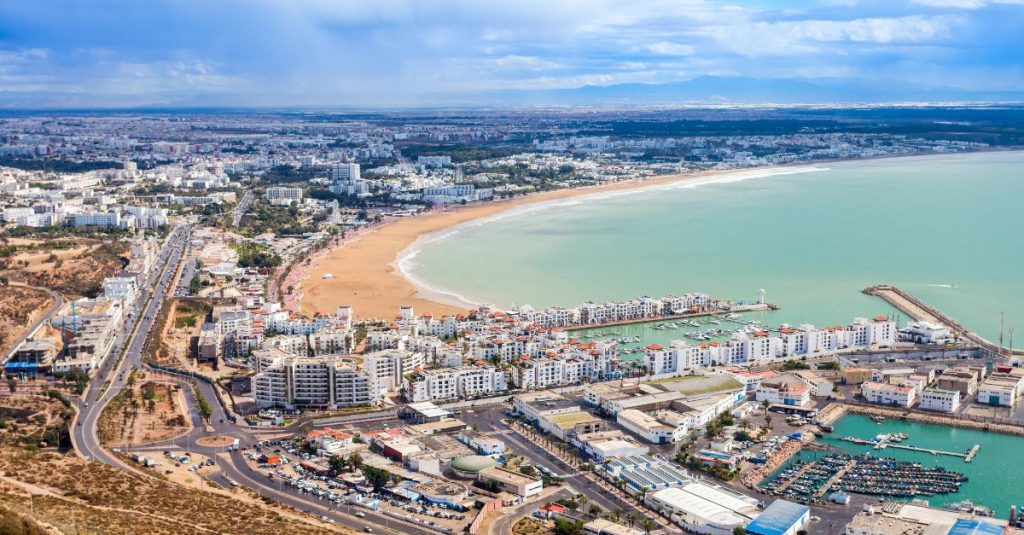
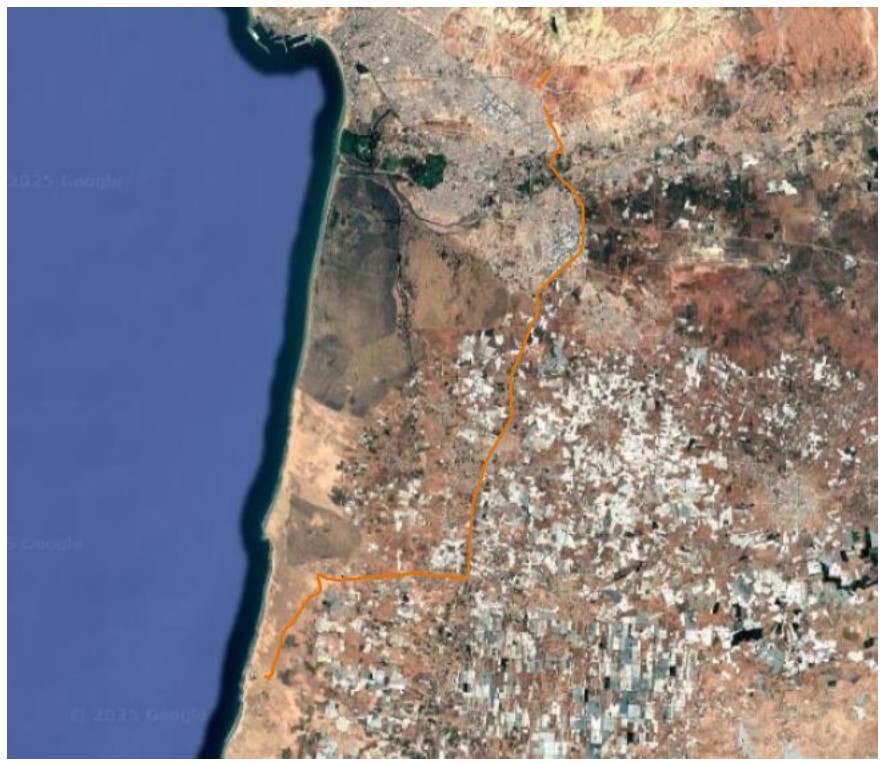
In April 2025, Aganova, in collaboration with its local partner MAIRAV, carried out an inspection of 40.22 kilometers of drinking water pipelines in Agadir, Morocco, commissioned by the National Office for Electricity and Drinking Water (ONEE). These infrastructures, which transport desalinated water to the region’s main distribution network, are critical for supply in an area affected by water stress.
The inspection was performed using Nautilus technology, a non-invasive internal diagnostic system capable of identifying leaks, air pockets, and structural anomalies from inside the pipeline without interrupting service. The operation covered six consecutive lots with pipelines up to DN1600, operating under pressures up to 8.1 bar and flow rates exceeding 6,000 m³/h.
Thanks to this intervention, 84 incidents were identified across five of the six inspected sections, including 16 high-severity leaks (F1) whose immediate repair will significantly reduce water losses. The Nemo digital platform also enabled precise mapping of each issue, optimizing corrective planning by ONEE.
This project represents a milestone in the adoption of advanced diagnostic technologies within Morocco’s water sector. The collaboration between Aganova and MAIRAV proved essential to ensure effective field execution and laid the groundwork for a sustainable asset management model, aligned with Morocco’s goals of water efficiency and resilience.
Client
Partner
Sections
Lot. 1.1, 1.2, 1.3, 1.4, 1.5 and 1.6
Location
Agadir, Morocco
Date
April 17–24, 2025
Diameter
DN1200 and DN1600
Pipeline Lot
Lot. 1.1
Lot. 1.2
Lot. 1.3
Lot. 1.4
Lot. 1.5 + 1.6
Speed (m/s)
Min
Max
0.63
0.68
0.42
0.65
0.70
0.74
0.65
0.76
0.5
1.27
Pressure (bar)
Min
Max
0.9
3.9
0.3
4.1
3.3
4.1
3.5
7.0
2.2
8.1
Distance (m)
6,836
11,154
4,195
9,066
8,972
Introduction
The National Office for Electricity and Drinking Water (ONEE) is the cornerstone of Morocco’s water supply system, responsible for delivering potable water to millions of people.
To strengthen the resilience of the water network in Agadir, a fast-growing city facing severe water stress, ONEE entrusted Aganova and its local partner MAIRAV with the internal inspection of its main transmission pipelines.
The objective was twofold:
- to certify the integrity of large-diameter pipelines (up to DN1600), and
- to provide a detailed diagnostic report that would serve as the basis for planning maintenance and repair actions.
Challenge
The inspected pipelines, extending over 40 km and with diameters of DN1200 and DN1600, operated at flow rates exceeding 6,000 m³/h and pressures up to 8.1 bar.
Despite running through a critical urban area, no internal audit had ever been conducted using advanced technology. This posed latent risks:
- invisible leaks that could exacerbate water loss,
- air pockets affecting effective flow, and
- structural weaknesses undetectable from the outside.
In a context where every cubic meter of water matters, having accurate information on the real condition of the network was essential.
Solution and Implementation
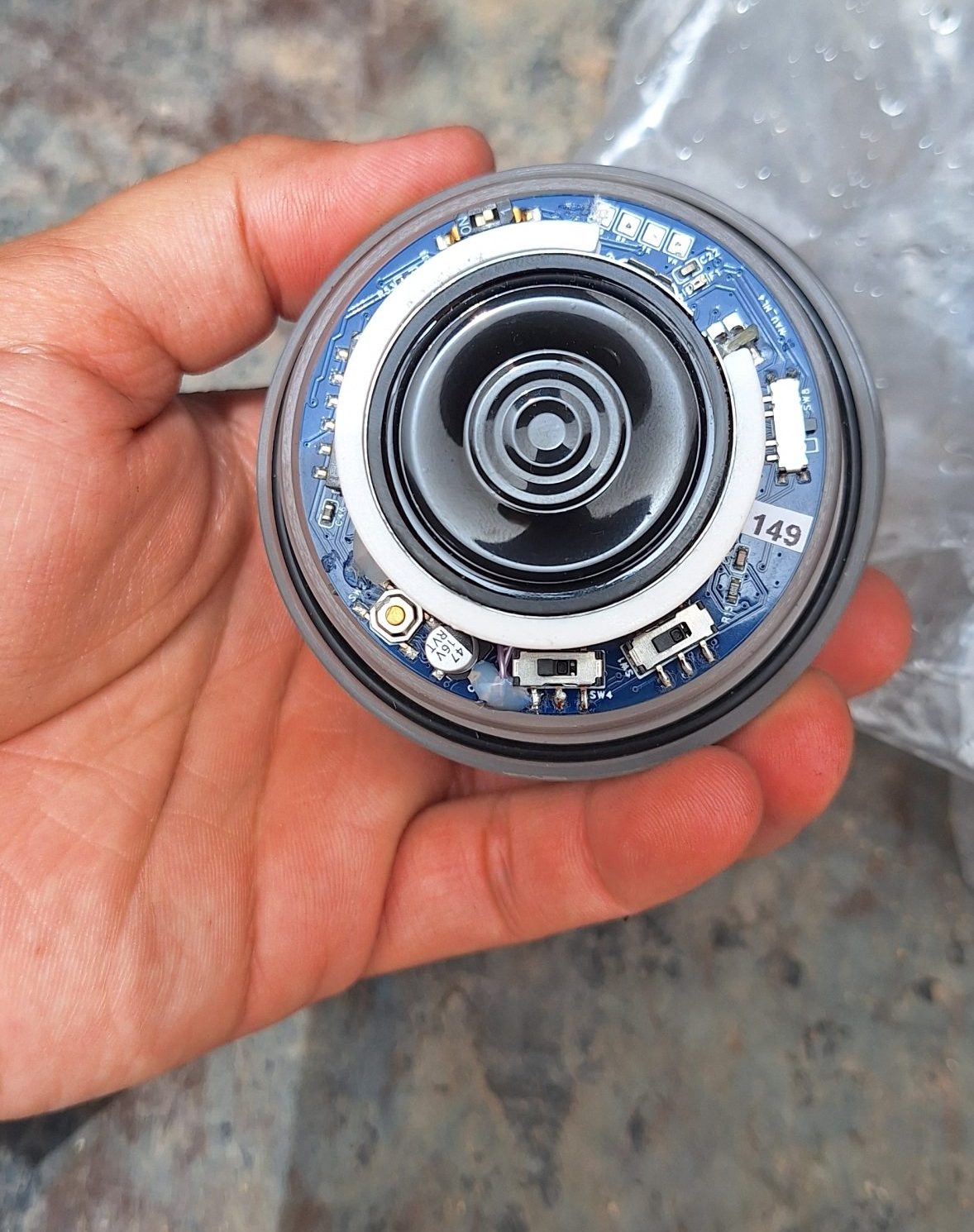
Aganova deployed its Nautilus system, a 70 mm-diameter sphere capable of navigating with neutral buoyancy propelled by the flow itself. Equipped with acoustic, pressure, and IMU sensors (gyroscope, accelerometer, magnetometer, and thermometer), Nautilus records data in real time without interrupting the service.
From April 17 to 24, 2025, six consecutive pipeline lots were inspected:
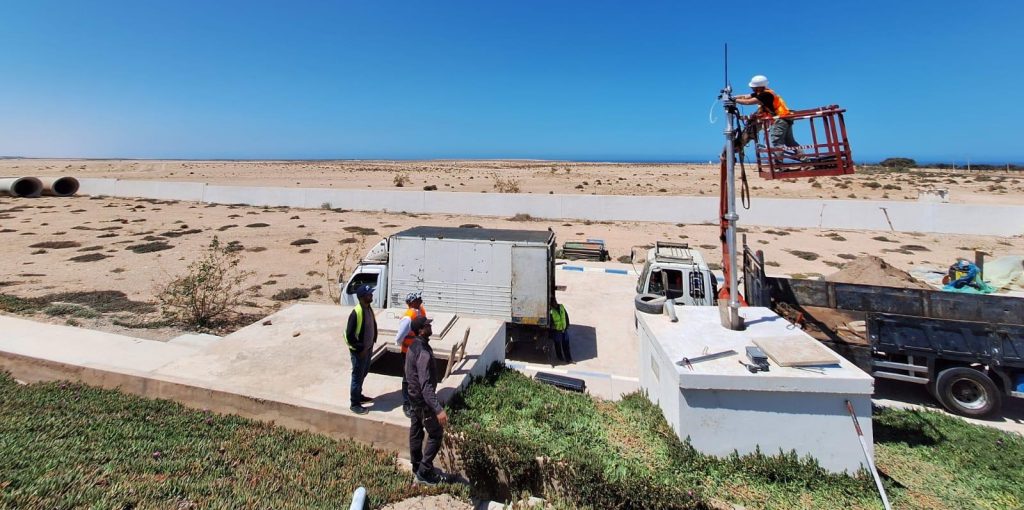
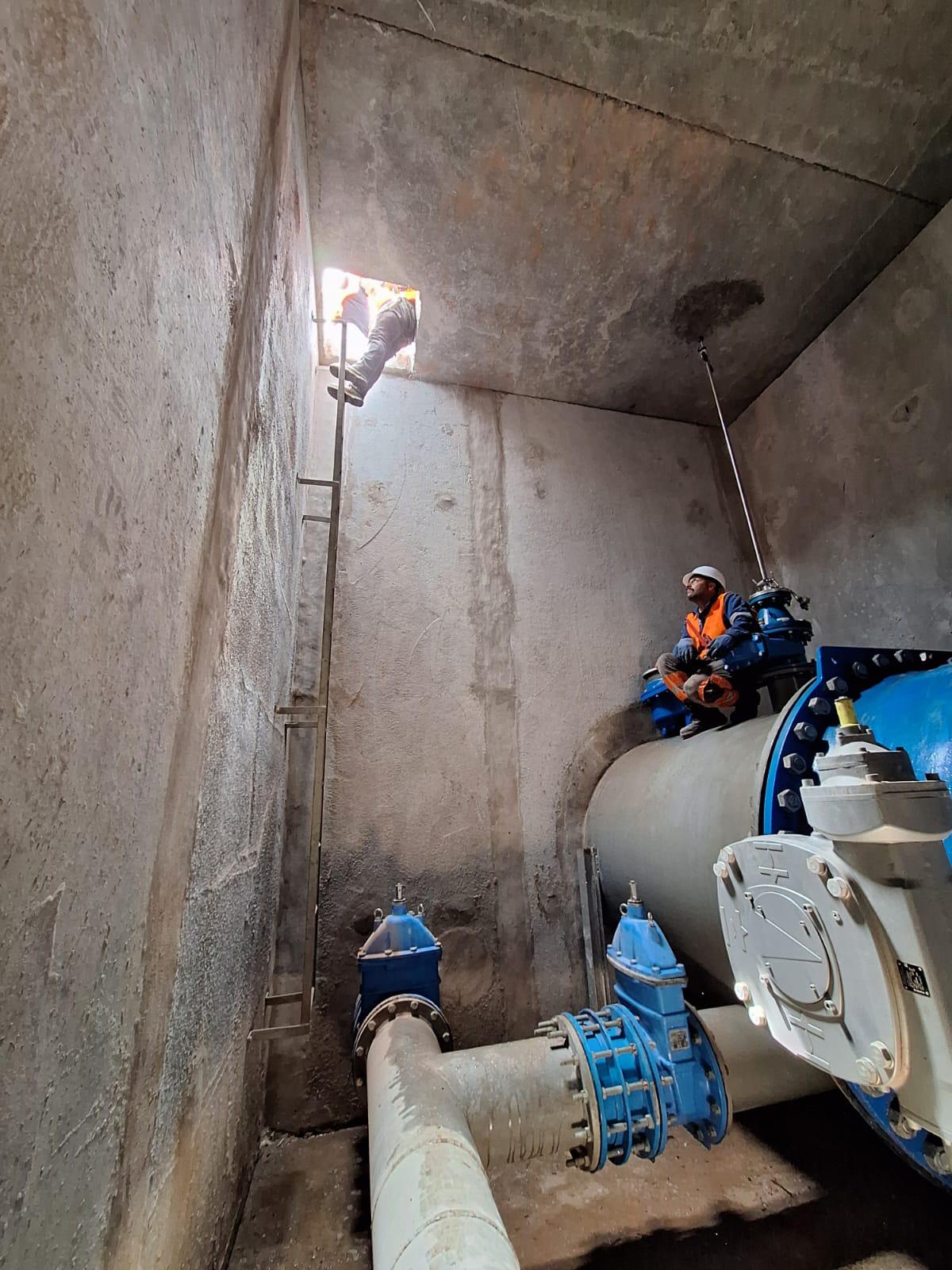
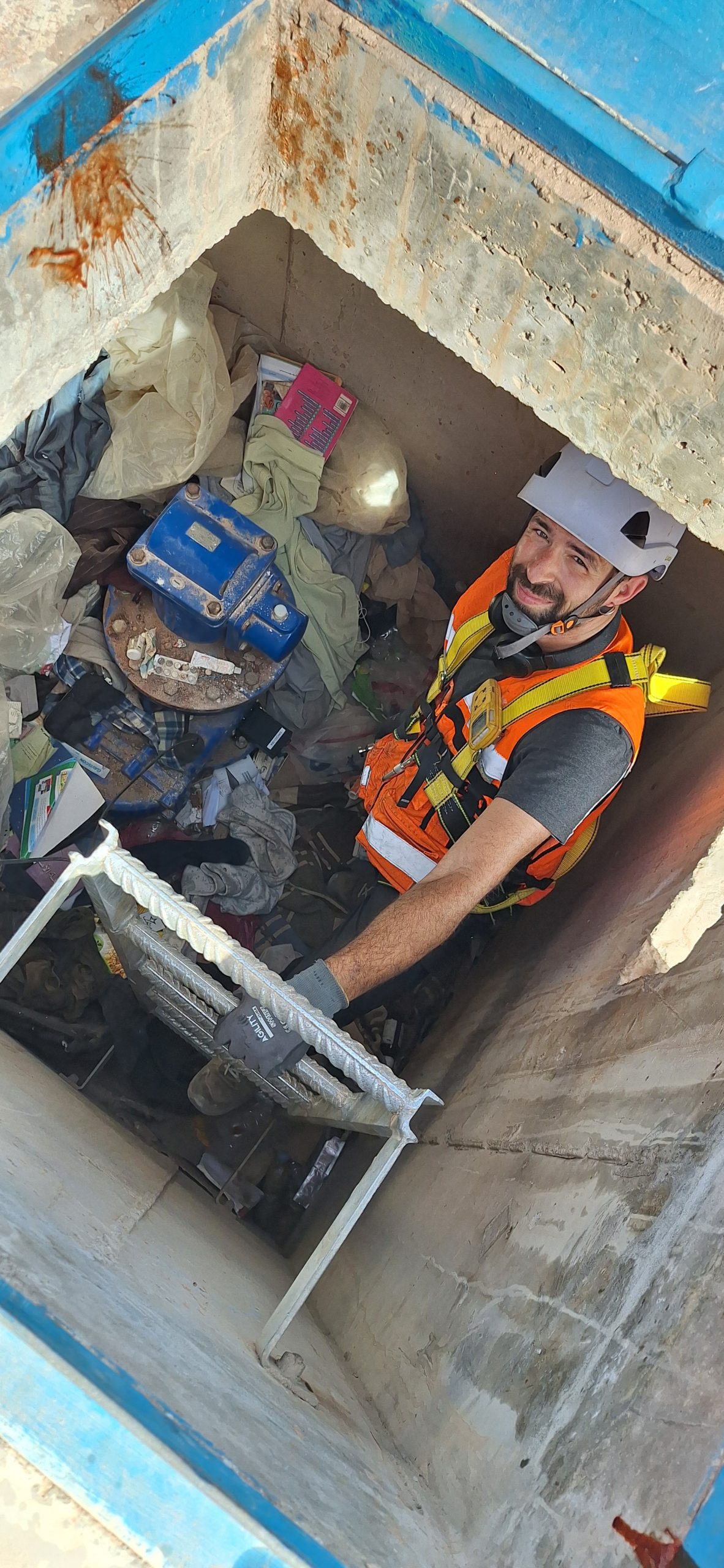
- Preparation and coring: MAIRAV prepared the insertion and extraction valves, ensuring branch sealing and stable flow conditions.
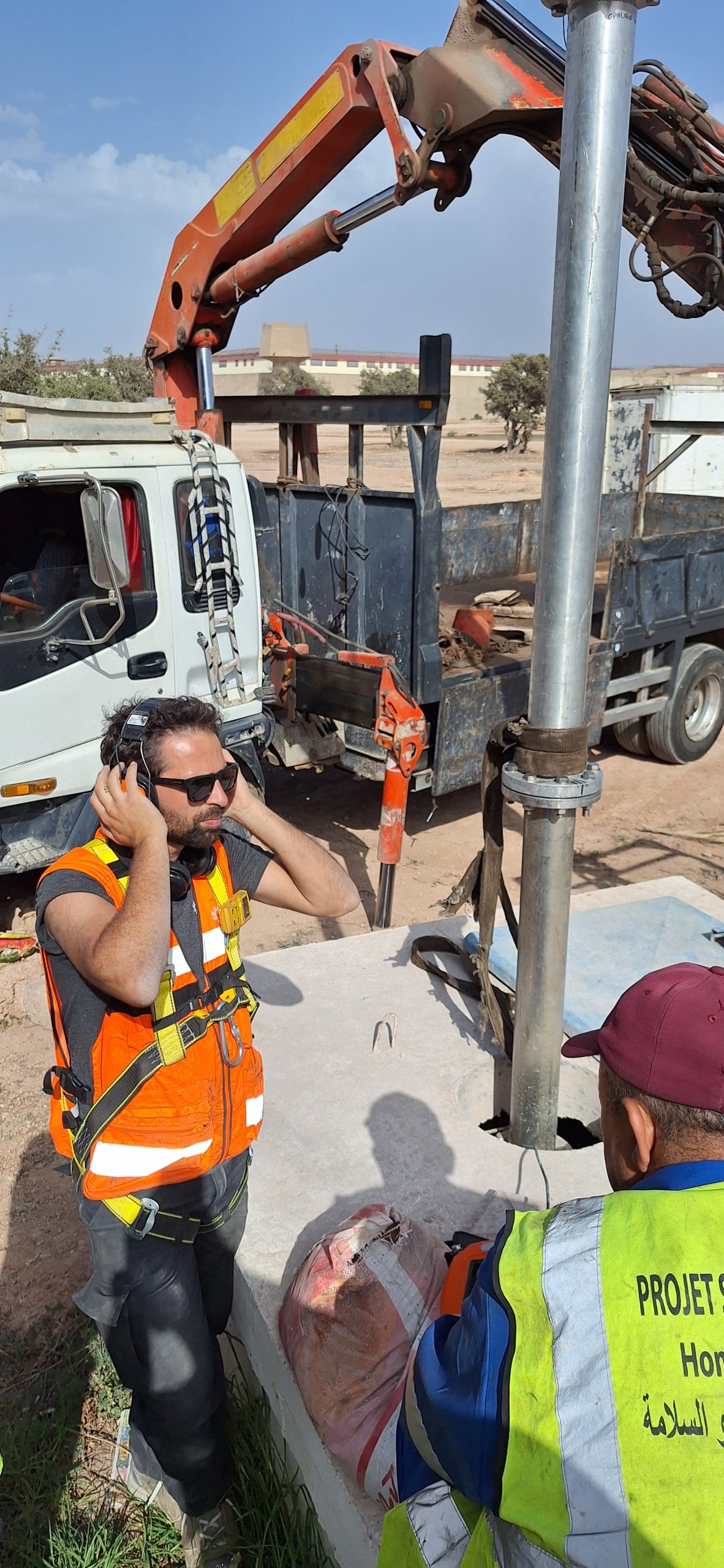
- Insertion and navigation: With flow rates between 4,200 and 6,300 m³/h, the sphere traveled internally through each section, emitting acoustic signals from fixed synchronizers to improve location accuracy.
- Extraction and disassembly: After completing the navigation (transit times ranged from 2.5 to 5 hours, depending on the section), Nautilus was retrieved without incident, and the system was returned to normal operation.
- Initial analysis: While MAIRAV repaired some of the priority leaks (F1) on-site, Aganova processed the data using the Nemo platform, generating GIS maps and pressure and elevation profiles.
Inspected section
Preparation and coring
Synchronizer removal
Monitoring
Results
Leaks
Incident Severity
F1
F2
F3
72 incidents
35
21
16
Air
Incident Severity
B1
B2
0 incidents
0
0
Anomalies
Incident Severity
A1
A2
12 incidents
12
0
The inspection covered 40.22 km of pipeline and identified 84 incidents across five of the six lots:
- 35 high-severity leaks (F1), with estimated losses > 11 m³/h, which were either repaired or scheduled for immediate action.
- 21 medium-severity leaks (F2), with flows between 5.5–11 m³/h, planned for short-term intervention.
- 16 low-severity leaks (F3), being monitored periodically.
- 12 anomalies (A1), indicating early-stage structural defects for follow-up in future inspections.
Two sections were found to be fully intact, validating their condition and allowing ONEE to redirect resources toward more critical areas. The Nemo platform provided centimeter-level location data for each incident and hydraulic profiles for the entire network inspected, greatly facilitating informed decision-making and precise maintenance planning.
Conclusions
This project marks a significant step forward in the systematic application of smart technologies for the internal diagnosis of large-diameter water networks in Morocco. Thanks to the collaboration between Aganova and MAIRAV, ONEE now has access to a detailed and actionable diagnosis that will enable it to substantially reduce water losses, optimize resource allocation, and improve maintenance planning.
The data collected provides a solid foundation for a data-driven asset management strategy, in which periodic inspections using non-invasive tools like Nautilus become a key pillar for ensuring operational efficiency and long-term supply security.
Nautilus sphere
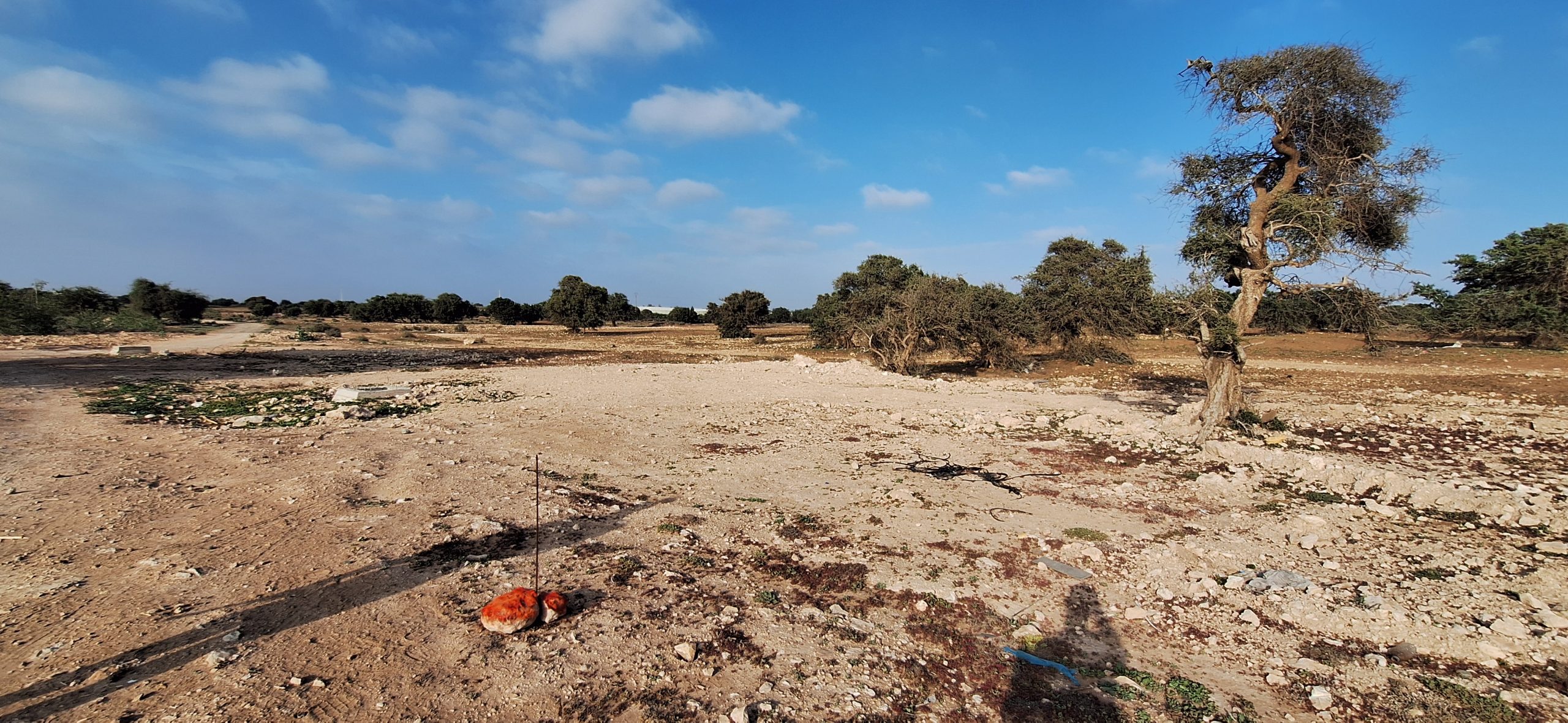
Pinpointing
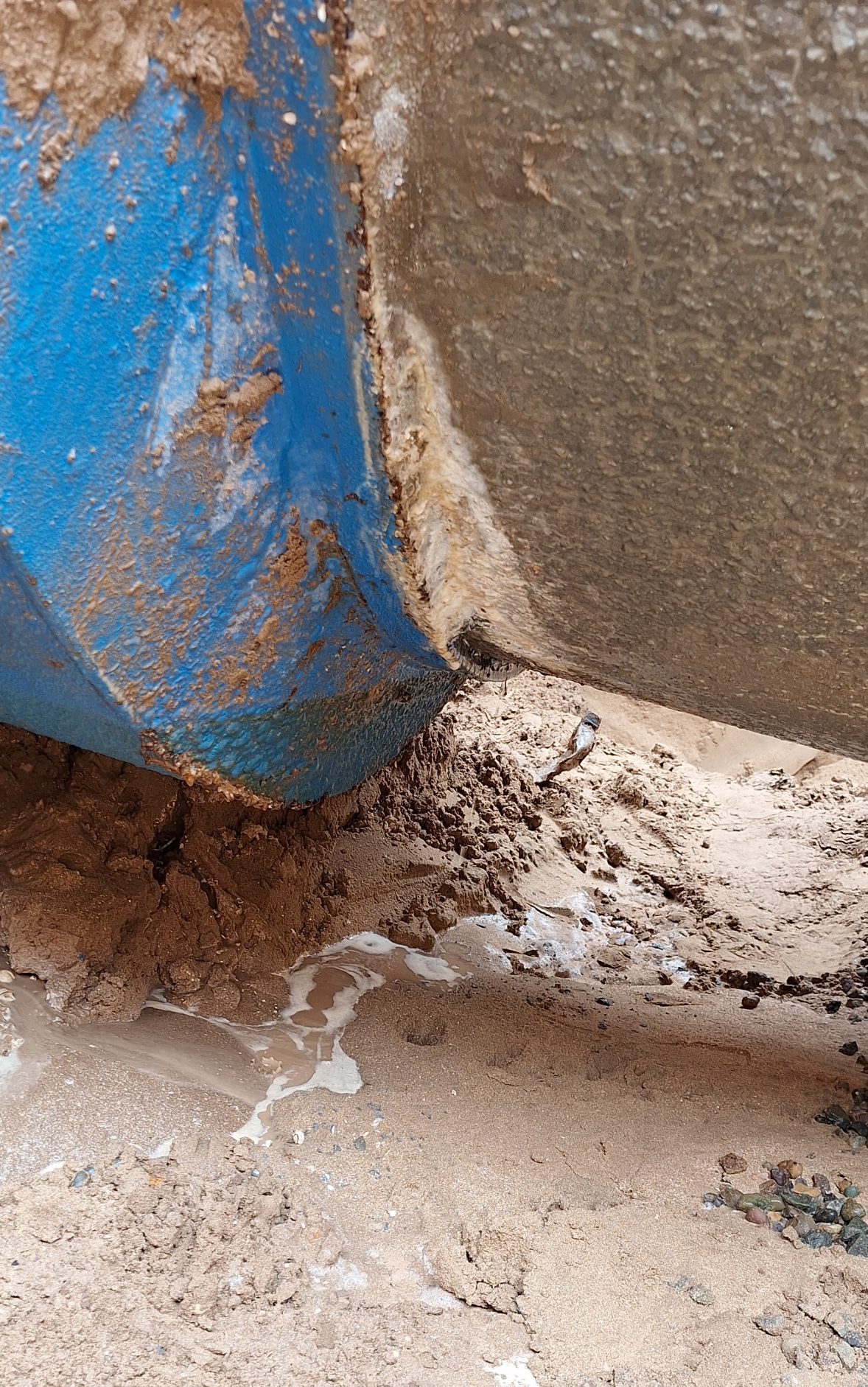
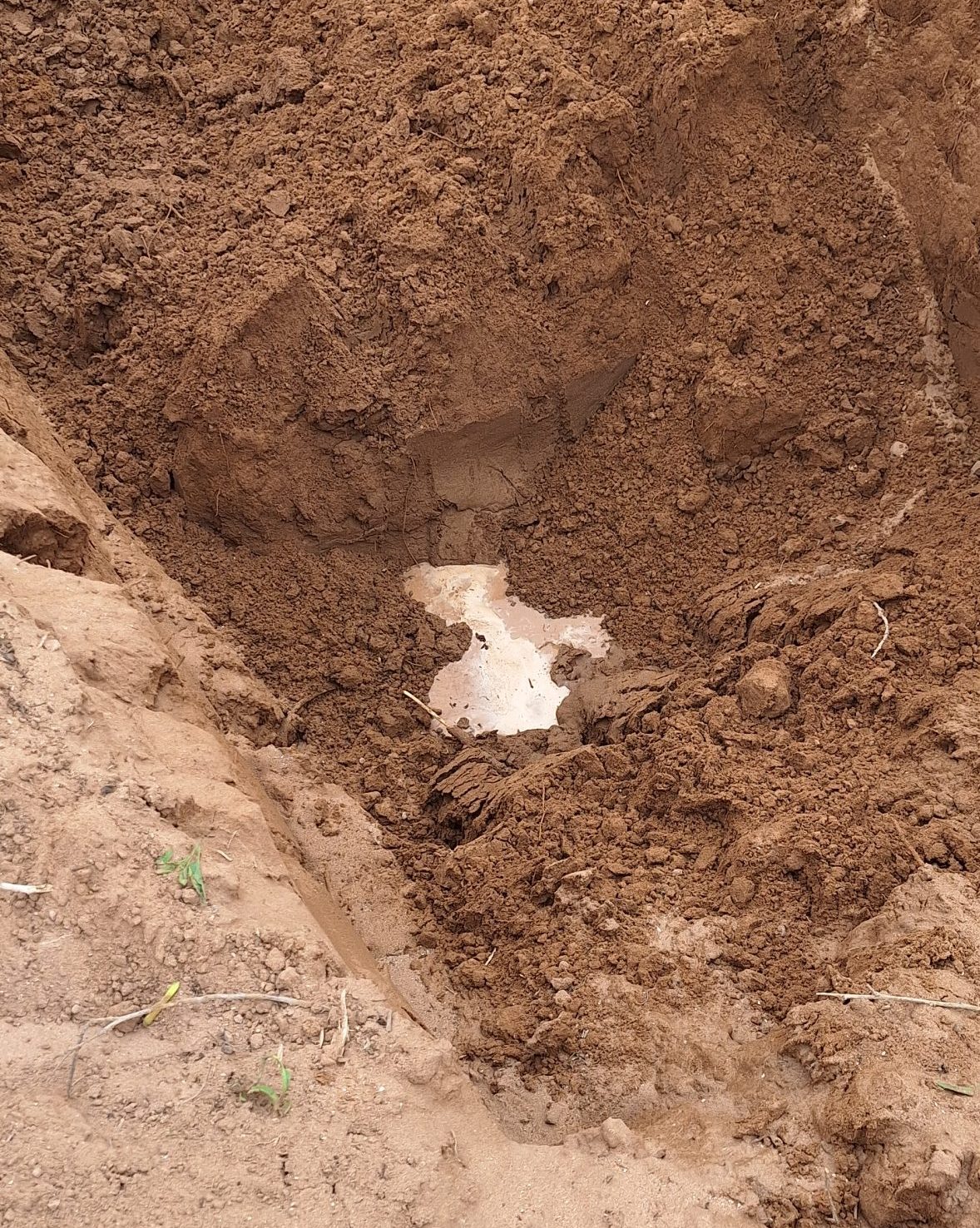
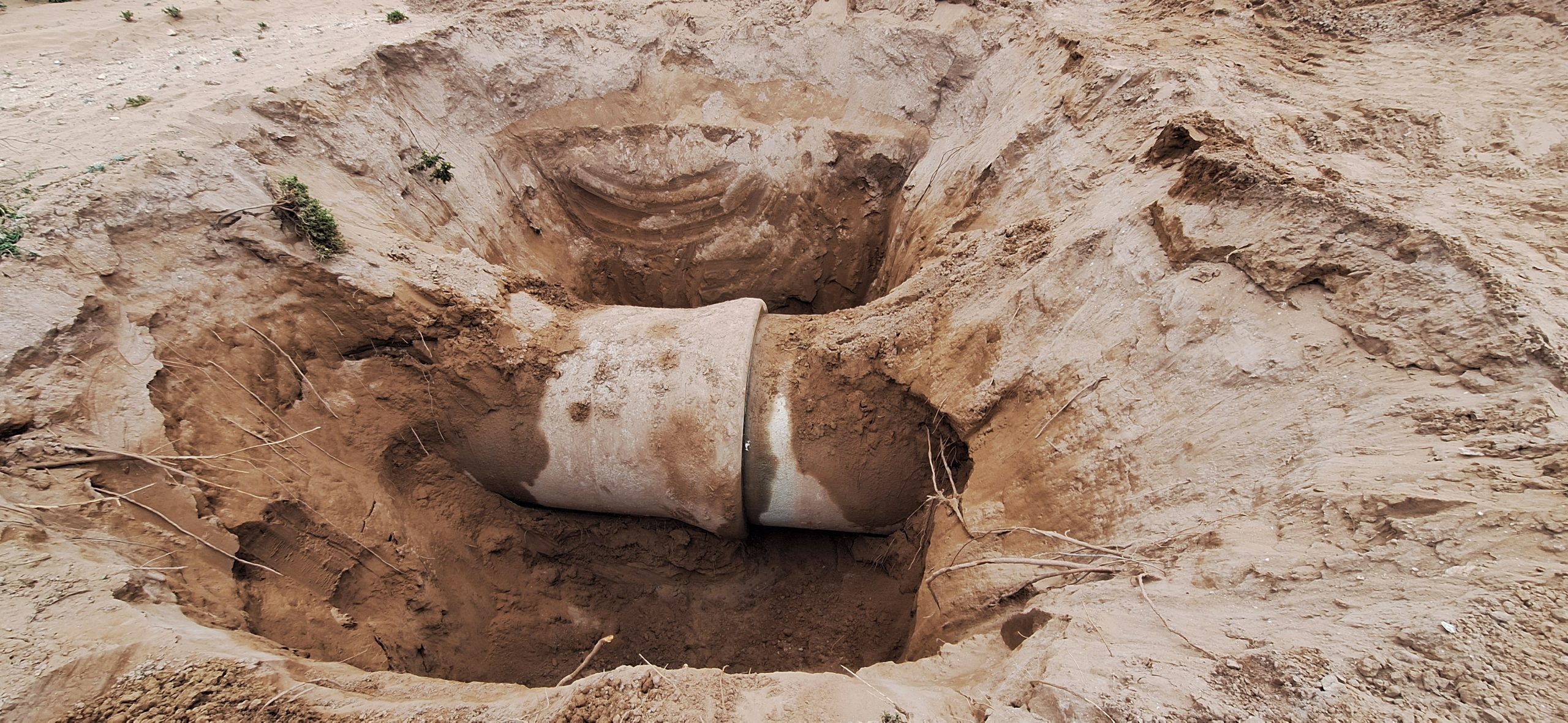
Some of the identified leaks