Non-Invasive Leak Detection for Critical Water Infrastructure in Langford, United Kingdom
Executive Summary
In August 2025, Aganova, in collaboration with SUEZ, conducted a high-precision internal inspection of a newly commissioned raw-water transmission pipeline operated by Essex & Suffolk Water in Langford, United Kingdom. The inspected asset, a DN800 ductile iron pipeline extending over 7.9 km, was designed to increase network capacity and resilience but repeatedly failed pre-commissioning pressure tests despite several attempts using conventional leak detection methods.
To address this challenge, Nautilus in-line acoustic inspection technology was deployed. This non-invasive solution detects and pinpoints hidden leaks and anomalies without interrupting operations, and provides accurate condition assessment data throughout the pipeline.
The inspection was completed on August 27, 2025, covering a total distance of 7,940 meters under an operating flow of approximately 680 m³/h. The survey identified five incidents, including two major leaks (F1), one medium leak (F2), one minor leak (F3), and one anomaly consistent with an incipient leak (A1). The two major leaks alone were estimated to account for approximately 1 MLD of water loss, confirming the source of the repeated pressure test failures.
Beyond leak detection, the project enabled Essex & Suffolk Water to accurately pinpoint and repair all identified defects, allowing the pipeline to successfully meet commissioning requirements. The inspection demonstrated the effectiveness of Nautilus as a rapid and reliable solution for locating hidden defects in critical water infrastructure, supporting the successful delivery of a strategic network asset.
Client
Partner
Section
7.94 km
Location
Langford, United Kingdom
Date
August 27, 2025
Diameter
DN800
Speed (m/s)
Min
Max
0.37
0.39
Pressure (bar)
Min
Max
2.5
3.5
Distance (m)
7,940
Introduction
This inspection took place in August 2025, on a newly laid 800mm Raw Water main to boost capacity and build resilience at Langford WTW.
The pipe was continuously failing its pre-commissioning pressure tests.
Given the pipeline’s rural location, traditional leak detection methods were challenging, leading to the deployment of the Nautilus system delivered by the SUEZ Leakage Engineering Team.
Challenge
The primary challenge was locating the source of the failures during pre-commissioning pressure tests. Despite several attempts using conventional leak detection methods, the exact location of the defects could not be identified. As no visible signs of leakage were present along the pipeline route, pinpointing the source of the problem proved extremely difficult.
A highly accurate, non-invasive inspection solution was therefore required to detect and locate hidden leaks and other anomalies, enabling targeted repairs and supporting the successful commissioning of the new water main.
Solution and Implementation
The inspection process included the following stages:
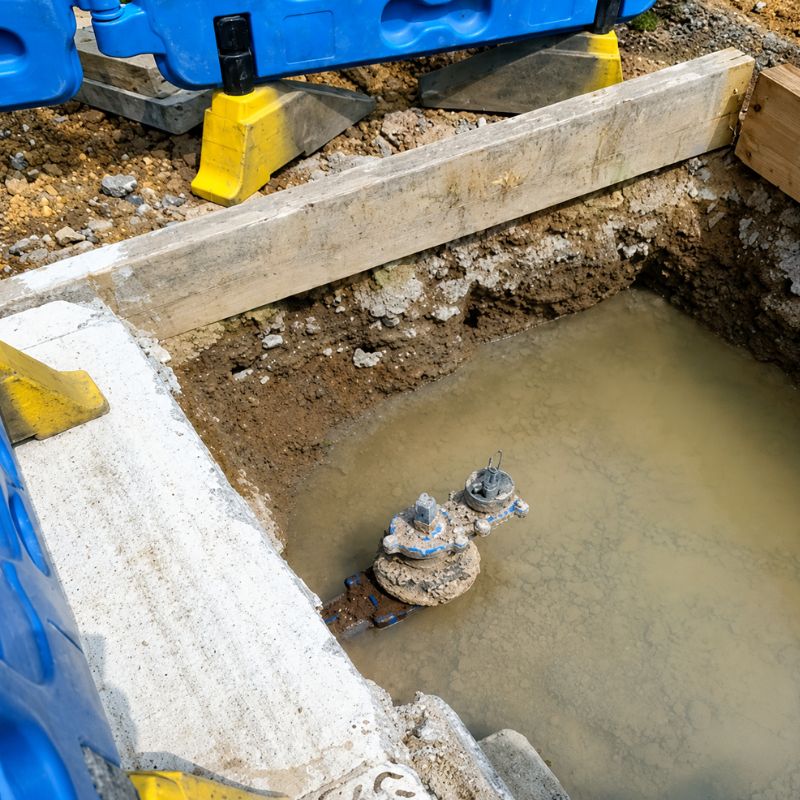
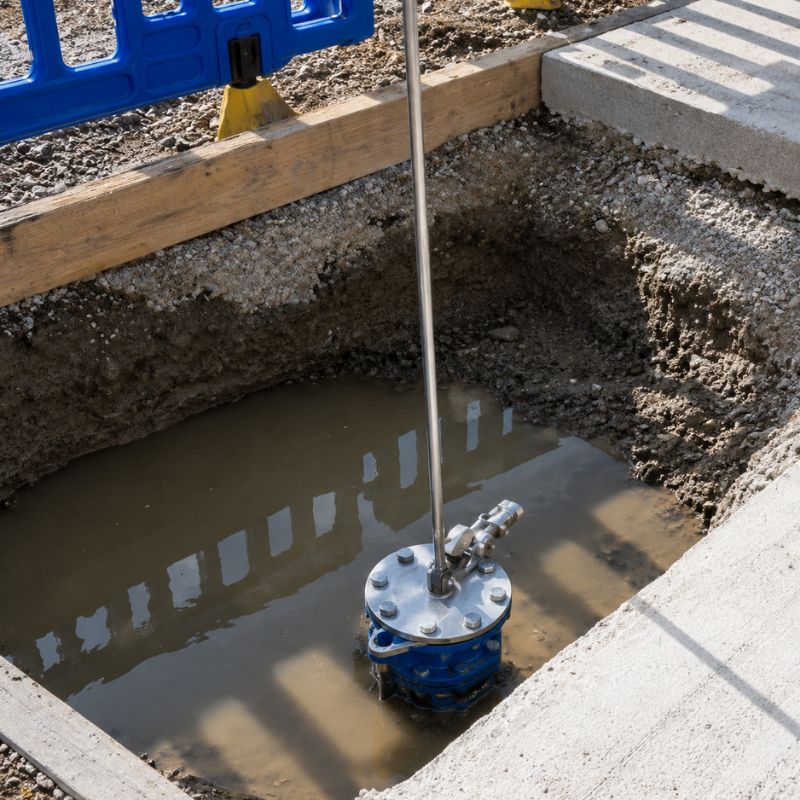
- Insertion: Deployed through a DN80 hydrant using push-plate method. V1 Sphere used due to minimum size requirements for insertion point. All equipment was previously disinfected. Total time of execution: 30 min.
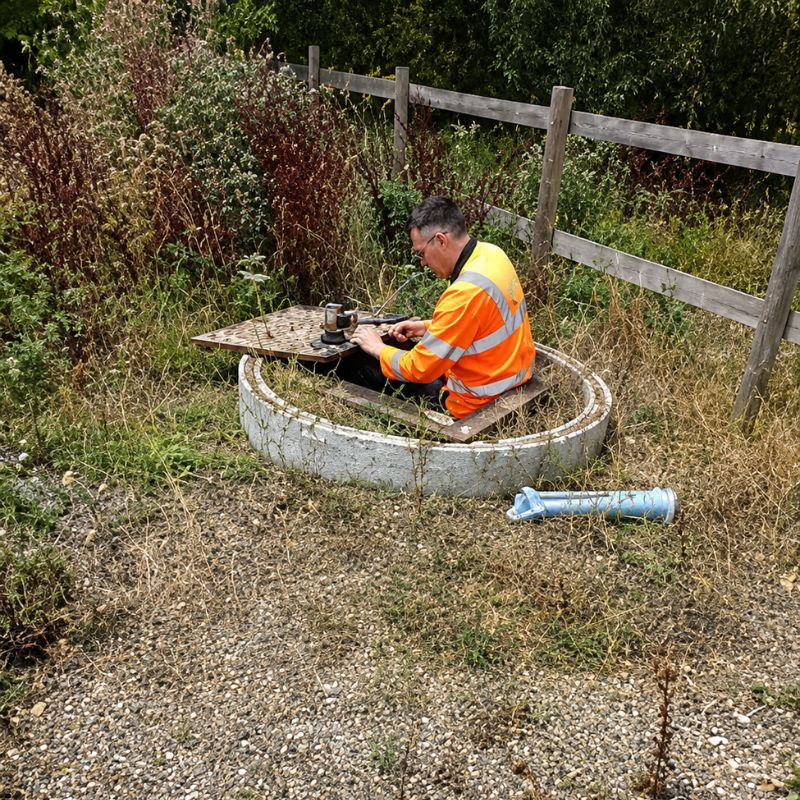
- Synchronizer Installation: 7 synchronizers were installed along the 8 km pipeline to enhance accuracy, considering possible changes in velocity. Each synchronizer took approximately 10 minutes to install. Additionally, 3 checkpoints were set up to track the sphere’s progress along the route.
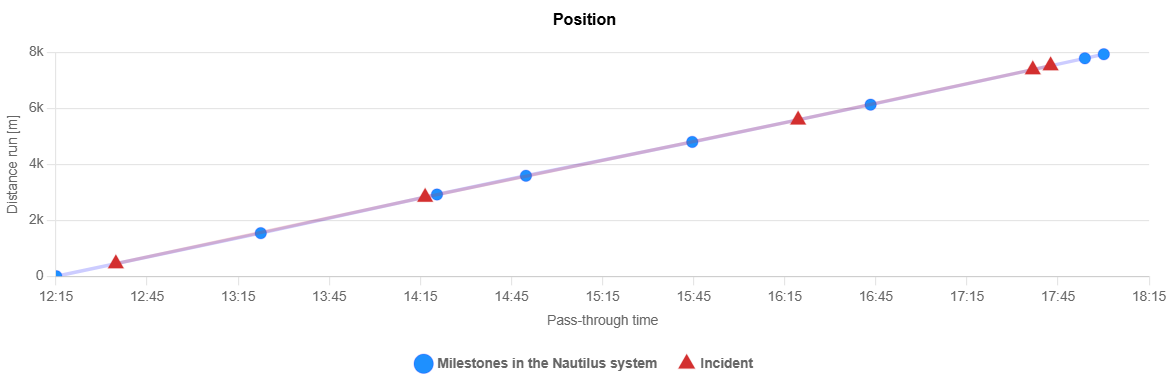
- Navigation: The inspection was carried out with an estimated working flow rate of 680 m³/h, and all bypasses were closed. Nautilus sphere was inserted at 12:30, detected at checkpoint 2 at 14:07, and at checkpoint 3 at 16:58 and extraction point at 18:20. Total navigation time 5h 50 min.
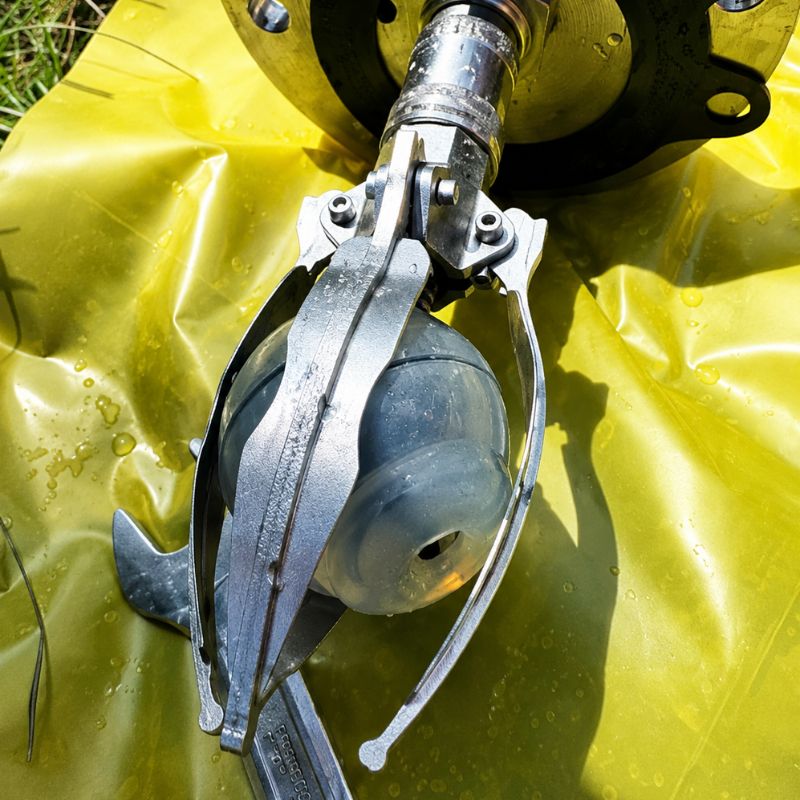
- Extraction: SUEZ team mounted the Nautilus standard extraction system on top of the valve. Air valve on DN150 Tee removed and our equipment built and connected in 45 minutes. Sphere arrived at extraction point exactly at estimated time. Without cutting the service, sphere extraction took place at 18:36.
The pipeline inspected had the following characteristics:
Pipeline
Characteristics
Location
Langford, United Kingdom
Pipeline material
Ductile iron
Diameter
DN800
Water speed
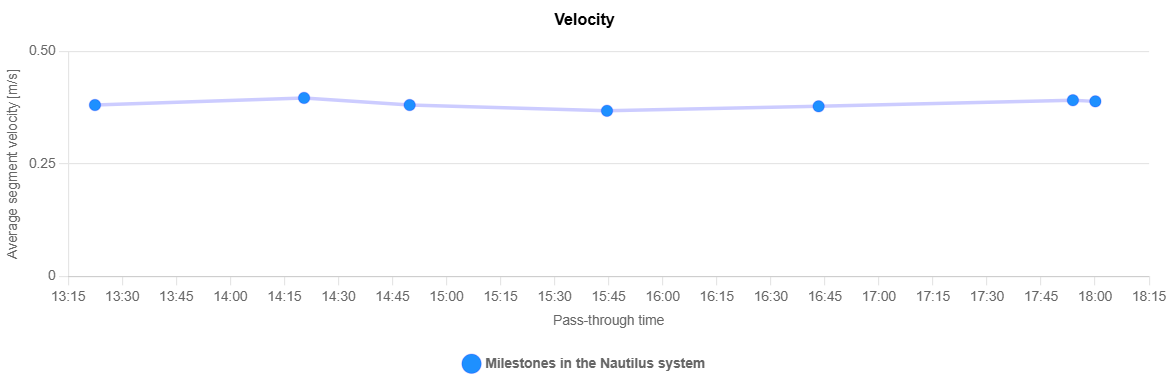
0.37–0.39 m/s
Pressure
2.5 – 3.5 bar
Inspected Length
7.94 km
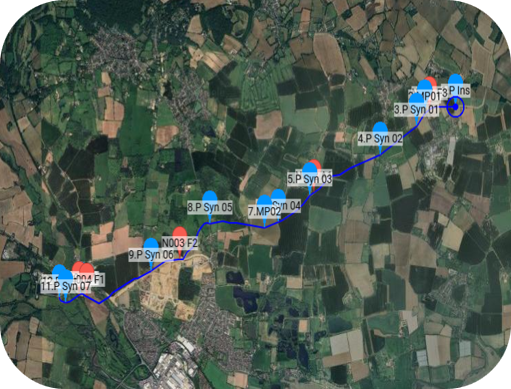
Overview of the pipeline showing the incidents detected during the inspection, synchronizer locations (P SYN), insertion point (P INS), and extraction point (P EXT).
Real-time position of Nautilus during the inspection
Nautilus real-time average speed during the inspection
Results
Leaks
Incident Severity
F1
F2
F3
4 Total incidents
2
1
1
Air
Incident Severity
B1
B2
Total incidents
0
0
Anomalies
Incident Severity
A1
A2
1 Total incidents
1
0
The post-inspection analysis identified five anomalies:
- 2 major leaks (F1)
- 1 leak (F2)
- 1 leaks (F3)
- 1 anomaly (A1)
After retrieving the Nautilus sphere, a final report was delivered to Essex and Suffolk Water a week later, revealing 5 incidents. Of these 5 incidents, 2 were classified as high-severity leaks, 1 as a medium-severity leak, 1 as a low-severity leak, and 1 as an anomaly consistent with an incipient leak, which is currently almost negligible. The two main F1 leaks were estimated at a total of 1MLD.
Conclusions
This project represents a major step forward in the deployment of smart inspection technology for water main assessment in the UK, specifically during pipeline commissioning. The 8km pipeline repeatedly failed pre-commissioning pressure tests, despite multiple conventional methods and alternative technologies being attempted without success.
Essex & Suffolk Water partnered with Aganova and SUEZ to deploy the Nautilus® in-line, non-invasive inspection sphere on the commissioning pipeline. In a single day of inspection, Nautilus successfully detected and precisely pinpointed four leaks.
All identified defects were repaired, enabling the pipeline to pass commissioning requirements and achieve a successful outcome where all previous approaches had failed.
Insertion of the Nautilus sphere using non-invasive systems
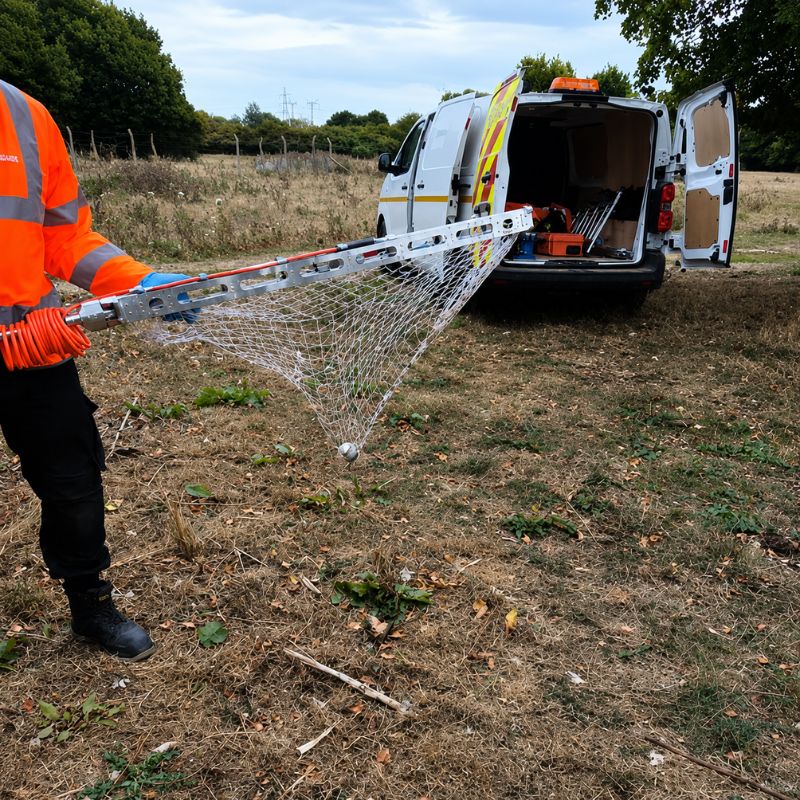
Installation of synchronizers along the pipeline
Extraction of the Nautilus sphere