Water network management: Digitalization and operational efficiency for modern utilities
Water distribution network management has evolved significantly in recent years. What was once based primarily on reactive maintenance and operational experience now requires technological integration, advanced data analytics, and long-term strategic vision. For operations managers, the challenge is no longer simply to keep the network running, but to optimize performance in an environment shaped by regulatory pressure, aging infrastructure, and growing sustainability demands.
In this context, digitalization has become a key enabler of operational excellence, transforming large volumes of data into actionable insights and measurable efficiency gains.
From reactive operations to intelligent network management
Traditionally, water distribution network management relied on periodic inspections, corrective interventions, and planning based on limited historical data. While functional, this approach is no longer sufficient for increasingly complex infrastructure systems.
Digital transformation allows utilities to shift toward an intelligent management model in which the network is no longer an opaque system but a continuously monitored ecosystem. Through the integration of sensors, telemetry, and analytics platforms, utilities can implement smart water network monitoring, supervising network behavior in real time.
This shift enables utilities to move beyond simple incident response and toward risk anticipation. Real-time visibility improves operational coordination, enhances decision-making, and reduces uncertainty across the network.
The impact of this transformation is measurable:
- Reduced mean time to repair
- Optimized allocation of technical resources
- Data-driven prioritization of capital investments
- Greater resilience against extreme events
Digitalization is therefore not merely a technological upgrade, but a fundamental reorganization of how decisions are made within water utilities.
Nemo: A digital platform for smart water network monitoring
Within this digital ecosystem, Nemo plays a central role in advancing modern water distribution network management.
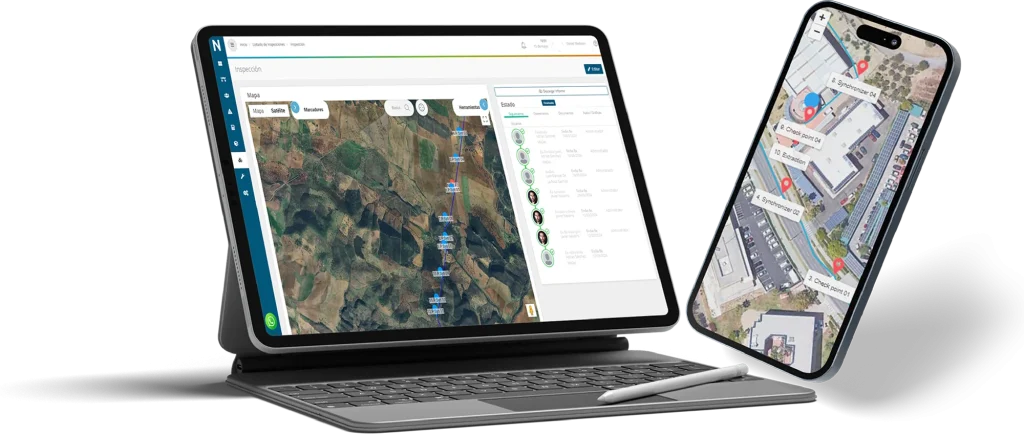
Nemo integrates advanced sensors, continuous analytics, and intuitive data visualization into a unified platform designed specifically for operational teams. Its architecture converts hydraulic signals into strategic operational intelligence, enabling managers to detect anomalies, assess risk levels, and act proactively.
Through Nemo, utilities can:
- Continuously monitor network performance
- Detect early indicators of leaks or structural deterioration
- Reduce exposure time to failures
- Integrate data seamlessly with existing SCADA and asset management systems
This level of visibility directly strengthens operational efficiency and lays the foundation for predictive maintenance water networks strategies.
Data-driven optimization and predictive maintenance
The true transformation in water distribution network management occurs when digital data is fully embedded into daily operational processes. By combining continuous monitoring, advanced inspection technologies, and predictive analytics, utilities can prioritize interventions with greater precision and confidence.
Rather than planning pipe replacements solely based on age, operations managers can rely on objective indicators such as hydraulic behavior, structural condition, and risk exposure. This enables the transition from reactive maintenance to predictive maintenance water networks, reducing unexpected failures and improving asset lifecycle performance.
The benefits of this data-driven approach include:
- Improved asset reliability
- Reduced corrective maintenance costs
- More efficient deployment of technical teams
- Increased budget predictability
Digitalization becomes the core operational strategy, not a supporting tool.
Toward integrated and resilient water networks
Modern water distribution network management requires the integration of multiple technological layers into a unified operational ecosystem. Continuous monitoring through smart water network monitoring platforms like Nemo, combined with advanced inspection and leak detection technologies, allows utilities to build adaptive, resilient networks.
A data-oriented management model not only improves immediate operational efficiency but also enhances resilience to drought conditions, demand fluctuations, and extreme events.
For operations leaders, adopting a smart water network monitoring strategy and embedding predictive maintenance water networks principles represents a decisive step toward a more sustainable, efficient, and future-ready utility model.